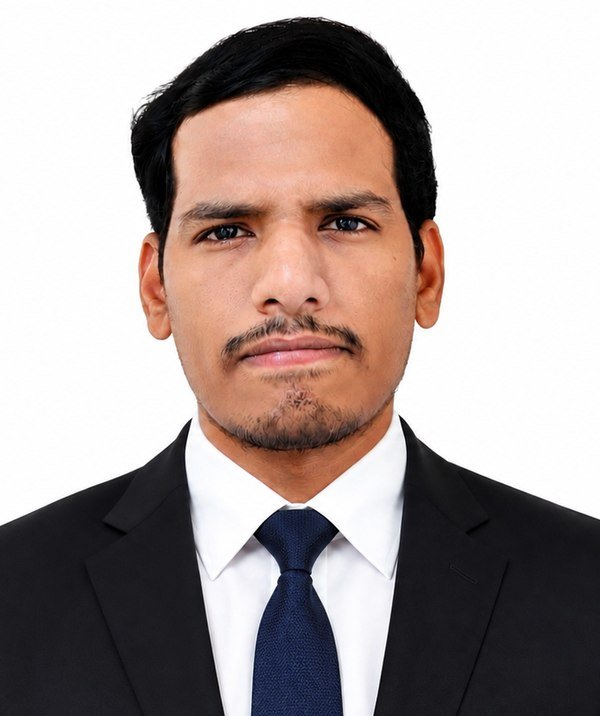
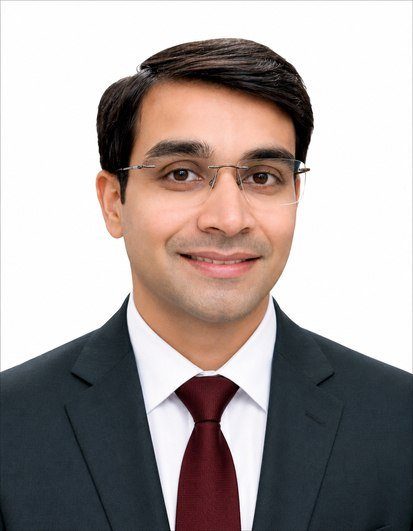
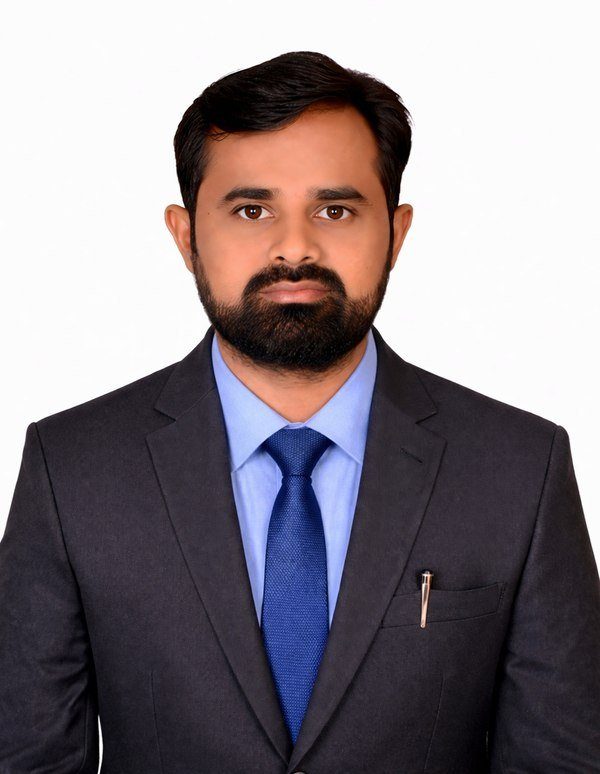
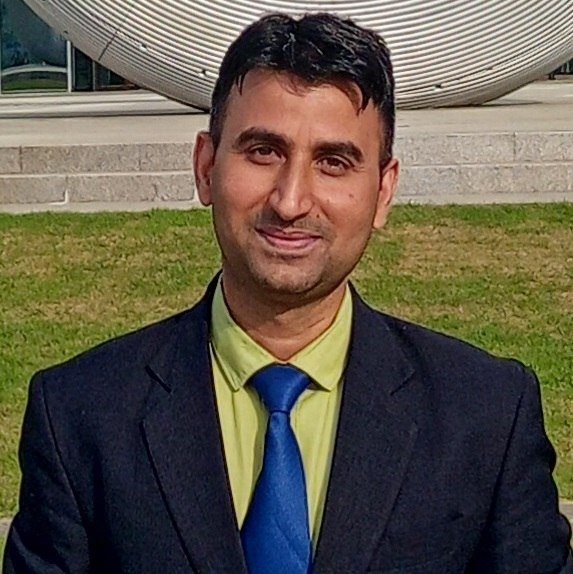
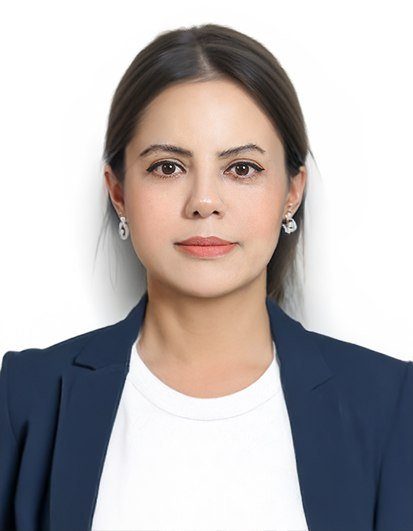
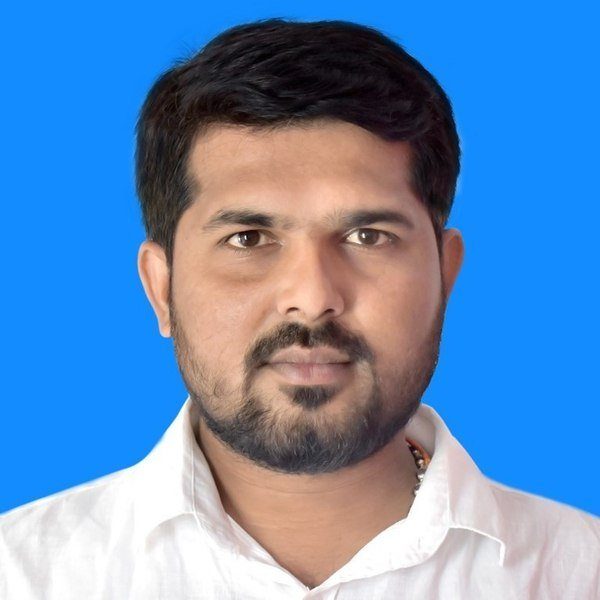
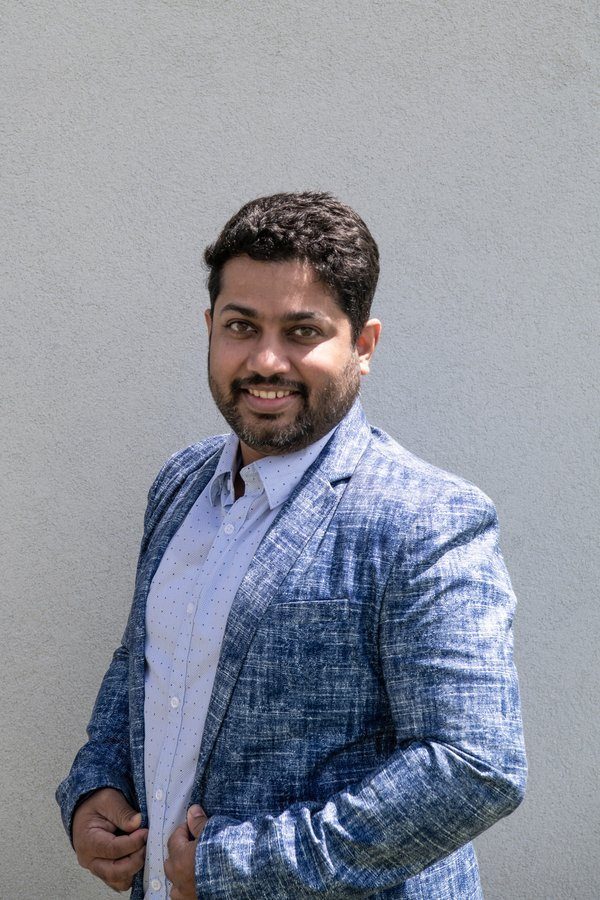
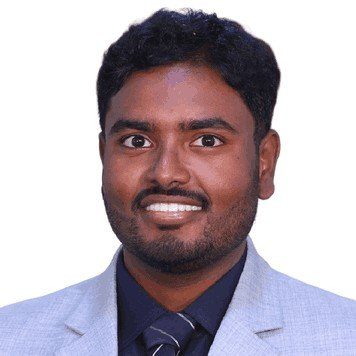
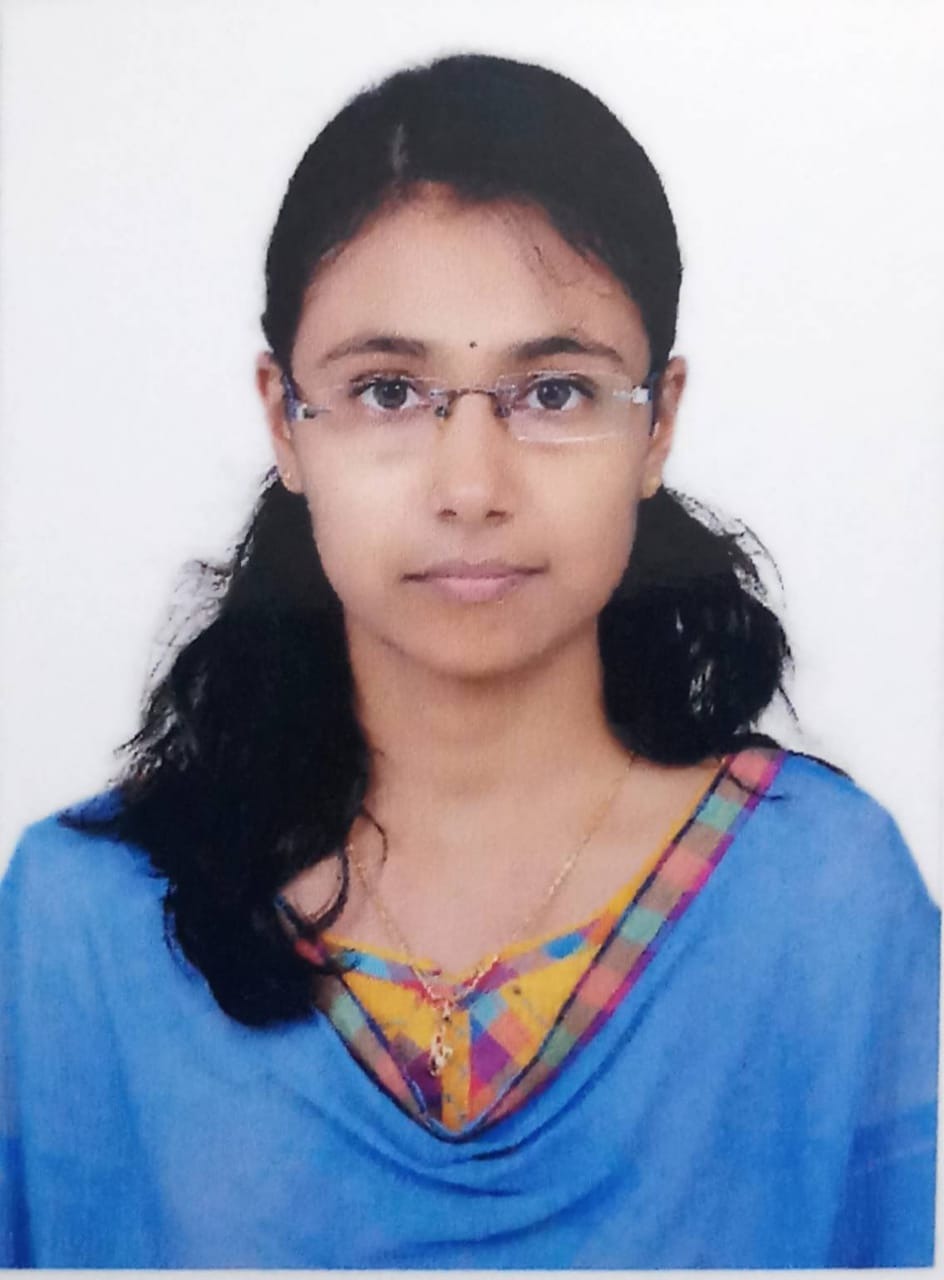
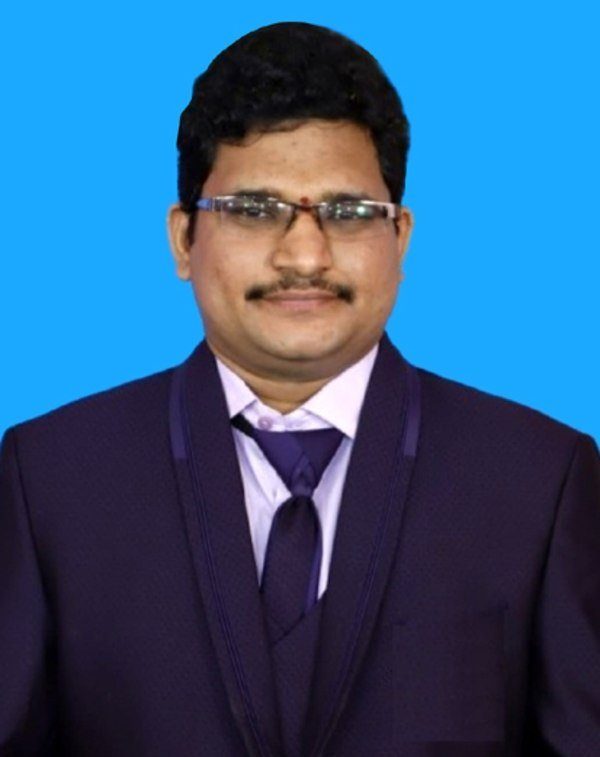
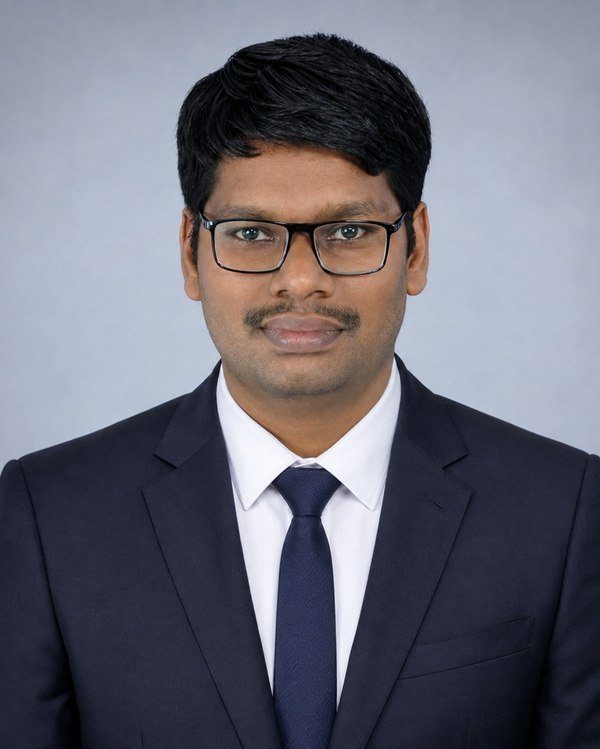
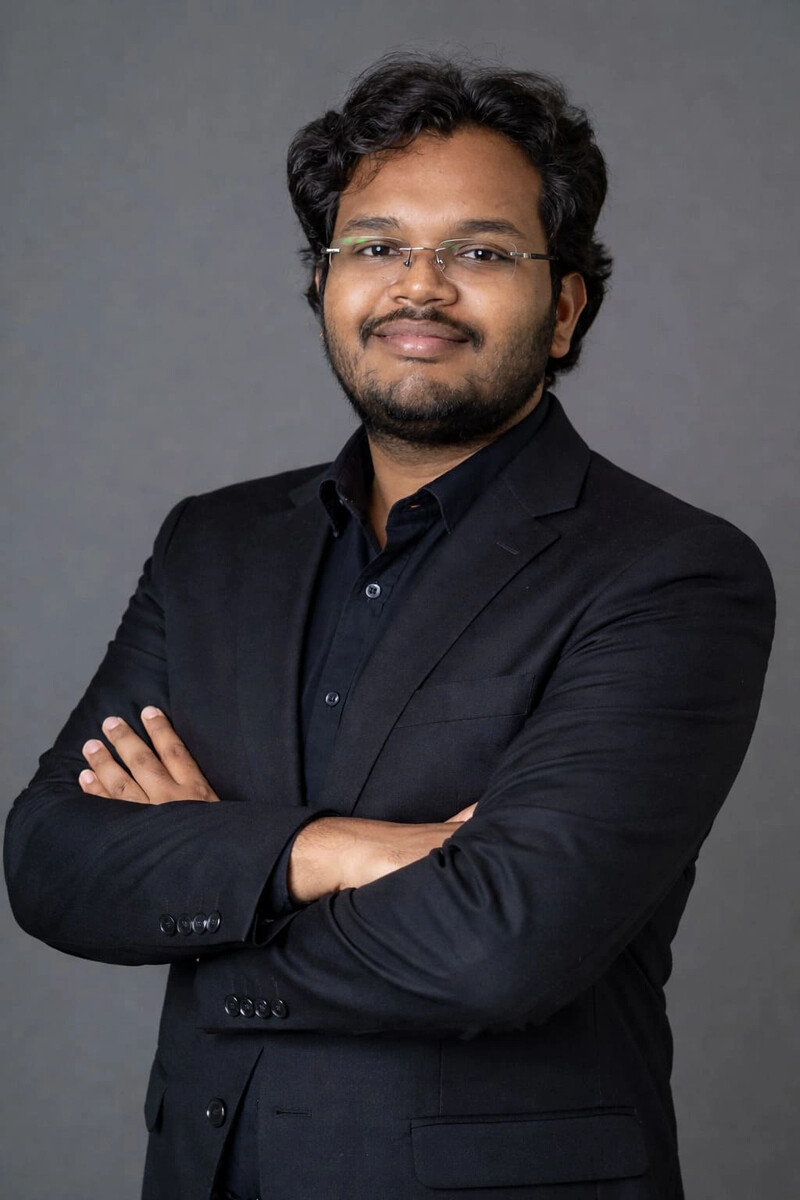
Dr. J V Aravind
Research Counsel — Edge AI & Computer Vision
Assistant Professor, Amrita School of Computing
Ph.D. in underwater object detection and tracking from SRM IST. Former DRDO–Naval Research Board Senior Research Fellow, working on AI-enabled embedded systems, edge AI and computer vision for real-time detection applications. Also leads our Fundraising & Grants Unit.
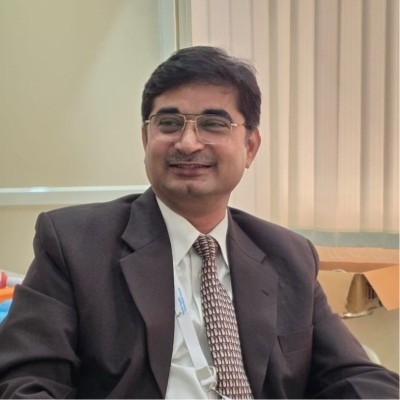
Dr. Kaustubh Kumar Shukla
Research Counsel — AI, IoT & VLSI Systems
Associate Professor, Noida International University
15+ years of teaching and research experience across CSE, ECE and emerging technologies — AI, ML, IoT, Robotics, MEMS, VLSI and sensor technology — with active contributions in publications and patents.
Dr. T. Lakshmana Rao
Research Counsel — Quantum Materials & Condensed Matter Physics
Associate Professor (Selection Grade), Vignan's IIT
Specialises in experimental condensed matter physics and quantum materials. Recipient of the Best Researcher award (2023–2025) at VIIT and a former MHRD JRF/SRF fellow, with a Ph.D. from NIT Rourkela.
Dr. Mudassir Khan
Research Counsel — Big Data, Deep Learning & Healthcare AI
Assistant Professor, King Khalid University, Saudi Arabia
Postdoctoral researcher at Multimedia University, Malaysia, and author of 130+ international publications. Expertise spans Big Data, Deep Learning, IoT and AI applications in healthcare imaging.
Dr. Hari Mohan Rai
Research Counsel — Biomedical AI & Signal Processing
Assistant Professor, Nazarbayev University, Kazakhstan
Ph.D. from IIT (ISM) Dhanbad on disease detection from biomedical signals and images using hybrid deep neural networks. International academic experience spanning Kazakhstan, China, South Korea and Uzbekistan.
Lilia Tightiz
Research Counsel — Quantum Machine Learning & Smart Grids
Assistant Professor, Sejong University, Korea
Researches quantum computing and machine learning applications in smart grids and energy management systems. Holder of multiple patents and international invention awards, with a Ph.D. from Sejong University.
Dr. Yathisha N S
Fellow for Change | Community Leader
Manager, TIIEC — Tumkur University
Ph.D. in Environmental Science with 9+ years across research, teaching and startup-incubation management. Manages TIIEC's incubation operations and mentors startups, with experience as a Research Fellow on an Indo-French (CEFIPRA/IFCPAR) collaboration and a strong track record in stakeholder and ecosystem partnerships.
Dr. Amrit Mukherjee
Research Counsel — IoT, AI & Next-Gen Wireless Networks
Senior Assistant Professor (Research), University of South Bohemia, Czech Republic
Senior Assistant Professor specialising in IoT, AI for 5G/6G wireless communications, cognitive radio networks and smart-city systems, with 110+ peer-reviewed publications and 7 patents. Recognised among the World's Top 2% Scientists (Elsevier, 2023) and Associate Editor for the IEEE Internet of Things Journal and IEEE Sensors Journal.
Dr. M. Teja Kiran Kumar
Research Counsel — AI, Computer Vision & Generative AI Systems
Staff Data Scientist & AI Tech Lead, Grid Dynamics
Staff Data Scientist directing enterprise AI, computer vision and generative-AI engineering for Fortune 50 clients. Ph.D. in Electronics & Communication Engineering (KLEF) on deep spatio-temporal human-action recognition, with 25+ peer-reviewed publications and two published books on AI.
Dr. Puranam Revanth Kumar
Research Counsel — Biomedical Imaging & Deep Learning
Assistant Professor, AI & ML, Malla Reddy University, Hyderabad
Ph.D. in Electronics & Communication Engineering (ICFAI University) on brain tissue segmentation and structural connectivity using deep learning, followed by a Postdoctoral Fellowship at Symbiosis International University's Centre for Medical Image Analysis. His research spans neuroimaging, generative AI and large language models, with 18+ journal publications — including in Neuroscience & Biobehavioral Reviews and Intelligent Medicine — alongside active roles as IEEE member, session chair and reviewer across several international conferences.
Dr. Mahesh Shirke
Research Adviser — Governance, Finance & Digital Health Policy
Healthcare & Digital Transformation Leader · 31+ Years Experience
A distinguished healthcare and digital transformation leader with 31+ years of experience, Dr. Mahesh Shirke drives India's digital health strategy, modernisation, and governance, while influencing global partnerships, standards, corporate governance, and national policy in MedTech innovation. At Quantum World Ventures, he personally advocates for our governance and finance disciplines — guiding fundraising efforts and regulatory readiness across the ecosystem.
Dr. Priti Mishra
Research Adviser — EdTech, L&D & Incubation Strategy
20+ Years — Academia, Research Oversight & Program Management
With more than 20 years of experience across academia, research oversight, program management, and quality enhancement, Dr. Priti Mishra provides strategic input toward establishing and running Quantum EdTech Labs, L&D Hubs, and Incubation Hubs. Her focus spans strengthening research practices, building industry-academia partnerships, and translating innovative concepts into sustainable, scalable institutional ventures.
Dr. Yarlagadda Anuradha
Research Adviser — Quantum Innovation & Institutional Leadership
Professor & Head, CSE (Data Science), Gayatri Vidyaparishad College of Engineering (Autonomous), Visakhapatnam
Professor and Head, CSE (Data Science) at Gayatri Vidyaparishad College of Engineering (Autonomous), Visakhapatnam, Dr. Anuradha brings 29 years of combined academic and software-development experience. As President of her institute's Innovation Council and SPOC for its Quantum Innovation Cell, she has mentored startups, guided M.Tech, B.Tech and Ph.D. research, and led curriculum and lab development for emerging technologies.
Dr. Vanitha P.
Research Counsel — Quantum Computing
Research Scholar, Quantum Computing
A research scholar with 3+ years of practical experience in quantum computing, Dr. Vanitha P. has worked across multiple projects and taught students globally in the field. At Quantum World Ventures, she provides strategic support for our L&D programmes, alongside mentoring the next generation of researchers and contributing to building strong, collaborative quantum R&D clusters across India.
Dr. A. Sampath Dakshina Murthy
Research Counsel — Image Processing & Innovation
Head, Centre for Innovations & Startups, Vignan's IIT
Ph.D. in Image Processing with a Post-Doctoral Fellowship in CSE-AI. Heads Vignan's Centre for Innovations & Startups and serves as Senior Associate Professor, ECE, with over a decade of teaching and institutional innovation leadership.
Dr. B. Omkar Lakshmi Jagan
Research Counsel — Quantum Imaging & AI-Enabled Computing
Post-Doctoral Research Fellow, Quantum NLP, SR University
Ph.D. in Statistical Signal & Image Processing with over nine years of combined research and teaching experience, 48+ international publications and 6 granted or published patents. Leads applied research bridging quantum computing, AI, machine learning, and image processing into real-world, deployable systems.
D. Naga Chandra Teja
Research Counsel — Aerospace, Hypersonic Flows & Quantum Computing
Former ISRO Researcher · Quantum World Ventures
A former ISRO researcher with a background spanning hypersonic flows, quantum computing, and satellite systems, contributing research direction across Quantum World Ventures' cluster network.